Paving Solutions: Improve Your Property With Experienced Paving Services
Professional surfacing services offer considerable advantages for property enhancement. They not only improve aesthetics but also increase functionality. Choosing the right materials, such as asphalt or interlocking pavers, can promise durability and style. The installation process is key for achieving long-term results. Yet, many homeowners overlook essential maintenance practices that can extend the life of their investment. Understanding these elements is important for informed decision-making about outdoor spaces. What comes next may amaze you.
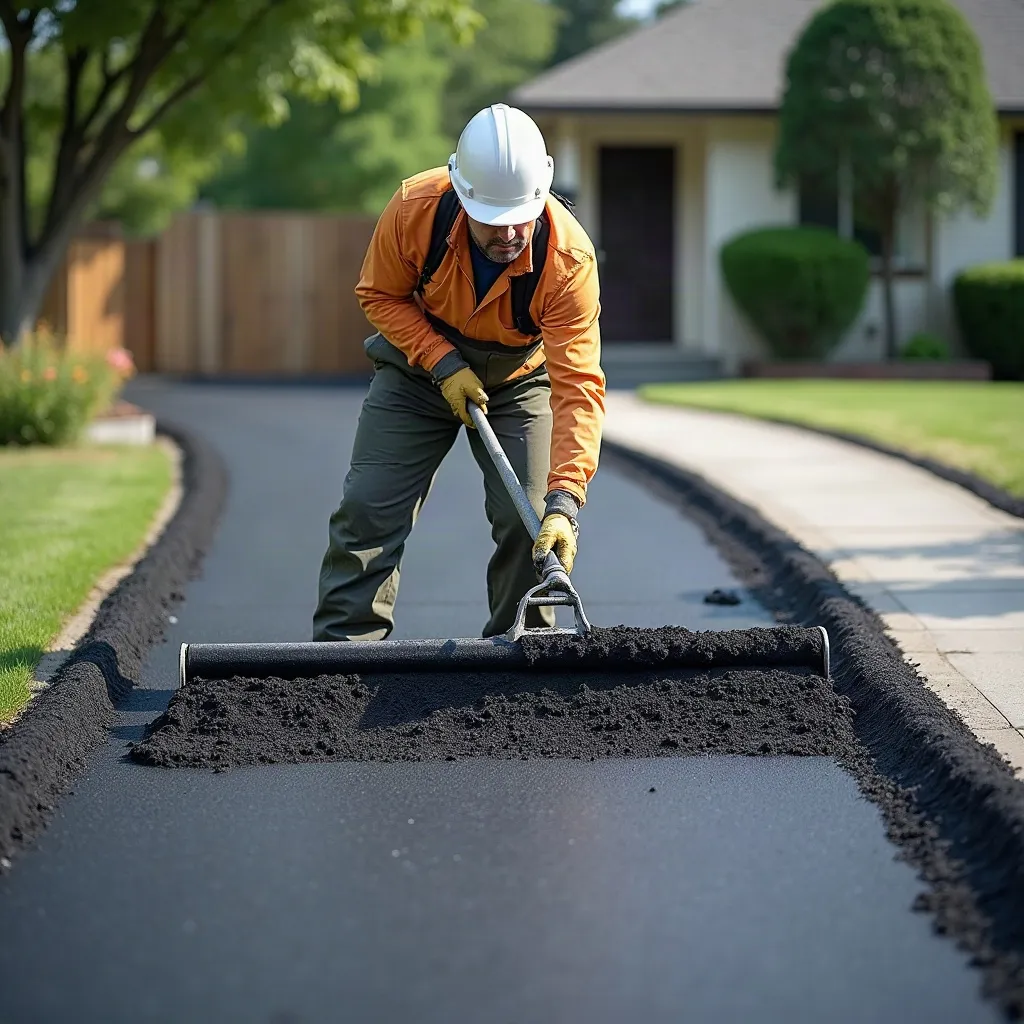
Professional Paving Services Enhance Your Home Value
Professional paving solutions transform outdoor spaces, enhancing both functionality and aesthetics. By using professional methods and state-of-the-art machinery, these services ensure the meticulous preparation and installation of multiple paving types. This attention to detail results in durable, long-lasting outcomes that resist degradation and damage while keeping visual appeal.
Furthermore, expert pavement work enhances property value, establishing appealing walkways, vehicle access areas, and outdoor spaces that attract potential buyers. A well-paved area improves safety by reducing dangers like uneven surfaces and excessive mud, promoting a more enjoyable outdoor experience.
Furthermore, knowledgeable practitioners can deliver personalized designs suited to particular requirements, assuring that every project reflects the property's special appeal.
Determine the Optimal Pavement Options for Your Job
Which approaches help homeowners decide on the best paving materials for their work? Getting the material right is required for aesthetics and how it performs.
First, homeowners should consider the particular purpose of the pavement. For driveways, durable materials like asphalt or concrete are often favored due to their strength and longevity. In contrast, for patios or walkways, choices like pavers or bricks can provide aesthetic value and flexibility.
Next, climate acts as a important component. Locales with heavy rainfall may take advantage from permeable materials that make possible for better drainage, reducing the exposure of flooding.
Moreover, maintenance needs should be analyzed; some materials demand more maintenance than others.
Ultimately, financial restrictions will determine the selection. While high-quality materials may necessitate a larger upfront investment, they frequently produce extended financial advantages through durability and reduced repair expenses.
Therefore, meticulous review of these variables will enable property owners to make knowledgeable selections.
Asphalt Paving Benefits
Asphalt paving emerges as a top choice for homeowners seeking durable and affordable solutions for their driveways and walkways. One of its main benefits is its resilience; asphalt can endure heavy traffic and severe weather conditions, making it perfect for residential use.
Furthermore, asphalt is moderately priced alongside other paving materials, assisting homeowners to realize a outstanding appearance without emptying their pockets. The installation process is also rapid, frequently completed within a day, curbing disruption to daily life.
In addition, asphalt is uncomplicated to upkeep, calling for just periodic protective coatings to extend its service life. These strengths make asphalt paving a smart and economical choice for improving property look and utility.
Interlocking Paver Advantages
Homeowners evaluating paving options discover that interlocking pavers offer distinct advantages that increase both visual appeal and utility.
These versatile pavers come in various shapes, colors, and textures, enabling creative design possibilities that can match any property style. Additionally, interlocking pavers deliver exceptional durability, withstanding cracking and shifting, which is particularly valuable in regions with changing temperatures.
Furthermore, their unique aesthetic supports efficient moisture removal, decreasing the danger of inundation and degradation. This porosity also aids ecological responsibility by permitting rainwater to restore groundwater supplies.
In the end, the uncomplicated setup and upkeep makes interlocking pavers a practical choice, making it possible for homeowners to enjoy their stunning appearance without excessive upkeep.
First Site Examination
What factors impact the first site inspection for paving installation? Several important aspects are involved during this vital stage. First, the topography of the land is examined to identify any slopes or drainage problems that could interfere with the paving process. Next, the current soil conditions are reviewed, as different soil types can affect stability and durability. Additionally, site accessibility is reviewed to plan how equipment and materials will be delivered. Local regulations and zoning laws are examined to ensure compliance. Finally, existing structures and vegetation are inspected to account for any required removal or protection. This thorough evaluation establishes the basis for a successful paving project, ensuring that all potential challenges are handled from the start.
Setup Processes Presented
Once a complete site assessment is done, the paving installation work can get underway.
The first stage involves site preparation, where any existing materials are removed and the ground is flattened. Following this, a foundation layer is installed, usually made of gravel or stone chips, which offers support and water drainage.
Subsequently, the picked surfacing choice—such as asphalt or concrete—is installed. This phase necessitates precise installation to guarantee a level surface and accurate placement.
Once the paved surface is laid down, it goes through compaction to enhance durability. Finally, the setting process takes place, enabling the material to properly set.
Throughout the undertaking, clear communication with the property owner is required to tackle any issues and guarantee contentment with the final outcome.
Pavement Maintenance Recommendations for Long-Term Life
Despite paving surfaces being designed for durability, consistent upkeep is essential to ensure their longevity. Regular checks must be conducted to detect cracks, potholes, or signs of wear. Timely fixes can prevent additional deterioration and extend the lifespan of the road surface.
Furthermore, keeping the surface neat is essential; debris, foliage, and dirt can hold onto moisture, causing deterioration. Regular sweeping and occasional power washing help keeping a unblemished appearance and operation.
Applying sealant every few years can shield the surface from weathering and UV damage, while also improving its aesthetic appeal.
Finally, tackling drainage problems is significant. Adequate drainage systems prevent water buildup, which can deteriorate the paving material over time.
How to Identify a Reliable Paving Contractor
Securing a reputable paving contractor represents an essential step for property owners intending to install or upgrade their paving surfaces. To initiate, individuals should gather recommendations from contacts, household members, or area-based companies that have not long ago carried out paving projects. Online reviews and testimonials can also give insights into a contractor's reputation.
Once potential contractors are recognized, it is essential to verify their credentials, including licenses and insurance. A professional expert should furnish a elaborate written assessment that outlines the scope of work, materials, and timeline.
Additionally, requesting endorsements from previous clients can facilitate evaluating the contractor's credibility and quality of work. It's furthermore advisable to inquire into warranties on workmanship and materials.
Ultimately, enabling transparent conversation and openness during beginning meetings can develop a trustworthy partnership, producing a accomplished paving work that achieves expectations.
Popular Questions Posed Often
What Timeframe Should You Expect for a Typical Paving Project to Finish?
A typical asphalt job usually requires one to three days to complete, depending on factors such as the project's size, complexity, weather conditions, and preparation requirements. Proper planning can help expedite the process effectively.
Which Clearances Are Mandatory for Paving Installation?
Generally, paving installation needs authorizations including regional building permits, zoning permits, and environmental evaluations. Regulations differ depending on location, so speaking with local authorities guarantees compliance with necessary legal requirements for read this article the work.
Can Asphalt Work Be Done in Winter or Rainy Seasons?
Paving can be arduous during winter or rainy seasons due to temperature and moisture concerns. Cold weather can delay proper curing, while excessive rain may cause quality problems, leading to potential lasting damage. Careful planning is imperative.
What Measures Should I Apply if My Pavement Develops Cracks?
If pavement fractures, the first step is to assess the harm. Subsequently, clear the region completely, fill the fissures with appropriate sealant, and think about professional repair to prevent additional damage and maintain protection.
What ways can I use to determine whether my paving contractor is properly licensed?
To ascertain if a paving contractor holds a license, one must verify their credentials through local licensing boards, demand a copy of their license, and look for insurance protection, ensuring compliance with industry regulations and safety standards.
Comments on “Benefits of Choosing Beacon top Paving Contractor for Your Driveway”